


By Allison Peck
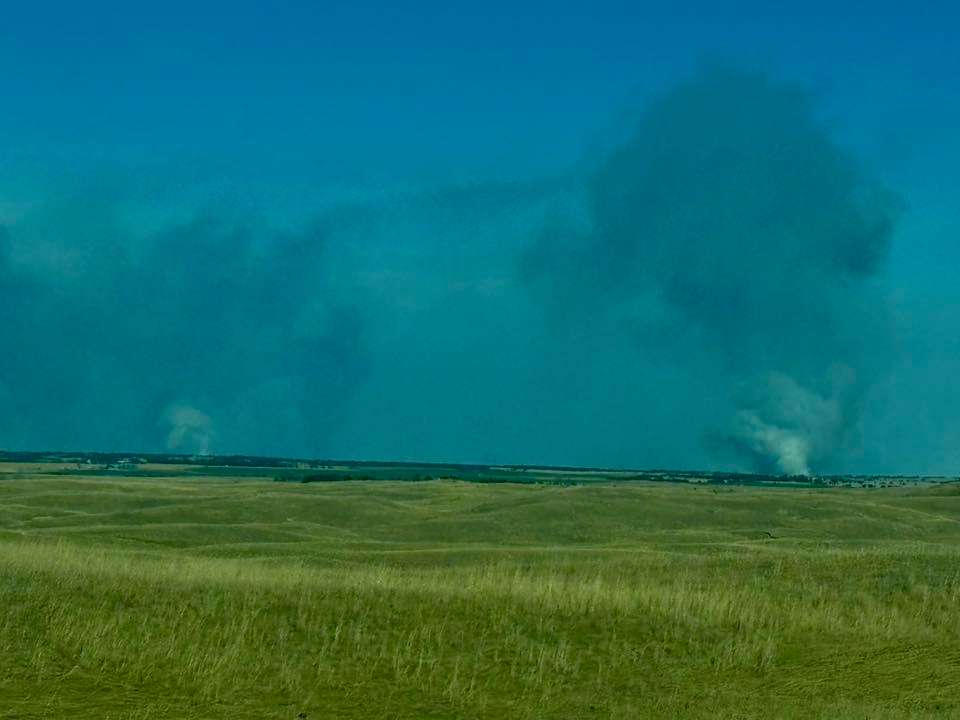
Wildfires have made headlines across Nebraska and the country in recent months, serving as a reminder that no area is completely immune to the threat. While it may be easy to assume a devastating wildfire won’t happen locally, experts say preparation and proactive planning can significantly reduce the risk to homes and property.
Nebraska Extension is encouraging residents to adopt “fire smart” landscaping practices, which focus on creating defensible space, selecting appropriate plants, and maintaining property to reduce potential fire damage. The approach centers on understanding wildfire behavior and minimizing the one factor people can control: fuel.
Wildfires are driven by three main factors—fuel, weather and topography—but fuel is the only element homeowners can influence. By reducing and managing vegetation and other combustible materials around a home, property owners can slow the spread of fire and improve the chances of a structure surviving.
A key component of fire smart landscaping is establishing a defensible space around structures. This space is divided into three zones, each with a specific purpose. The area closest to the home, known as Zone 0, extends five feet out and is designed to be as fire-resistant as possible. This means avoiding combustible materials like mulch, firewood, or wooden furniture near the structure and instead using non-combustible materials such as gravel or concrete. Plants in this zone should be low-growing, widely spaced, and non-woody to reduce the chance of ignition from wind-blown embers.
The next area, Zone 1, stretches from five to 30 feet and focuses on creating a “lean, clean, and green” environment. Homeowners are encouraged to keep plants well-maintained and properly spaced, remove dead vegetation, and avoid continuous mulch beds that could carry fire. Flammable materials like firewood or lumber should also be moved out of this zone.
Zone 2 extends from 30 to 100 feet and is aimed at reducing the intensity and speed of a wildfire by eliminating dense vegetation. This area often serves as a transition between landscaped and natural areas, where spacing between plants and removal of excess growth can help break up potential fire pathways.
Proper plant spacing is another critical factor. Information outlined in Nebraska Extension materials shows that both vertical and horizontal spacing between vegetation can help prevent fire from climbing or spreading rapidly. For example, removing lower branches of trees and avoiding dense shrubs beneath them can eliminate what experts call a “fire ladder,” which allows flames to move from the ground into tree canopies. The spacing between plants should also increase on steeper slopes, where fire tends to spread more quickly.
Plant selection also plays a role in reducing wildfire risk. While all plants can burn, some are more flammable than others. Plants with high oil or resin content, low moisture, or fine, twiggy growth are more likely to ignite. In contrast, plants with higher moisture content, compact growth, and lower oil levels tend to be more resistant. However, experts emphasize that placement and maintenance of plants are just as important as the type of plant chosen.
Ongoing maintenance is essential to keeping a landscape fire smart. Property owners are encouraged to regularly remove dead plants, leaves, and debris, especially before fire season. Cleaning gutters, clearing material from under decks, and using equipment carefully during dry conditions can further reduce the risk of accidental ignition.
Historically, Nebraska’s peak wildfire season begins in mid-February and lasts for several weeks, making early preparation especially important. Extension educators say that simple, consistent steps taken before a wildfire occurs can significantly improve both property and personal safety.
To help residents take those steps, Nebraska Extension is hosting a series of Fire Smart Landscaping programs across central Nebraska this spring and early summer. The workshops will provide practical guidance on creating defensible spaces and managing landscapes to better withstand wildfire threats.
Extension officials say the goal is not to eliminate landscaping or sacrifice curb appeal, but to design outdoor spaces that are both attractive and resilient. By planning ahead and making thoughtful adjustments, homeowners can reduce wildfire risks and better protect their property from the unexpected.